About Drainage Spout
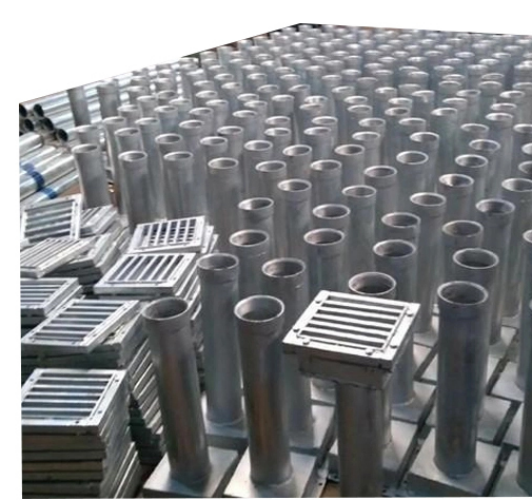
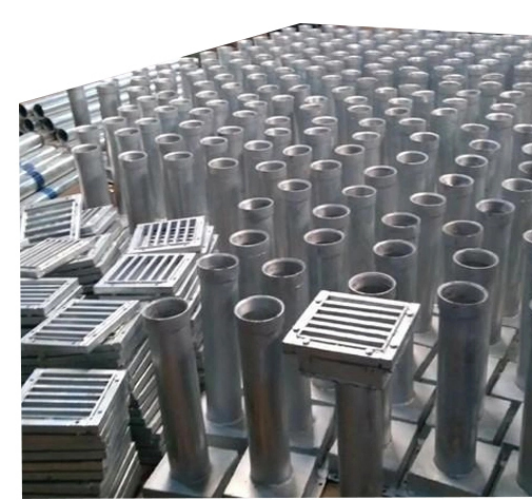
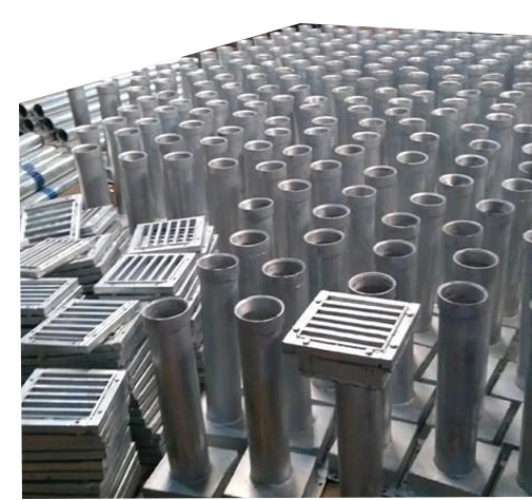
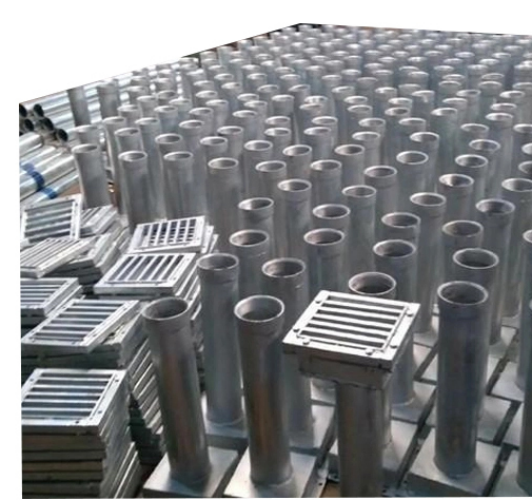
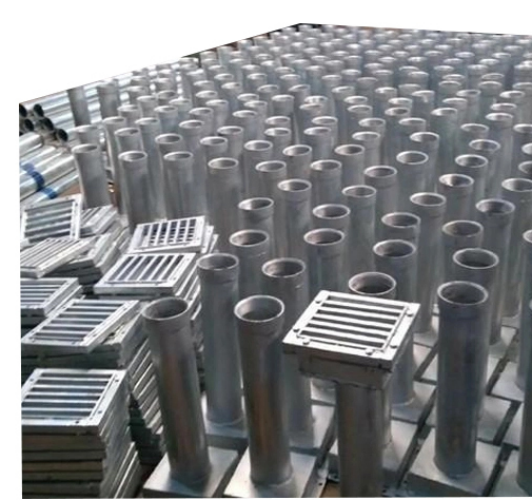
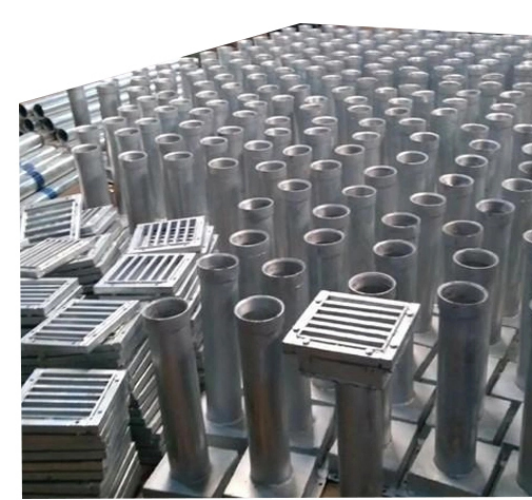
A Drainage Spout is a structural component installed in bridges, flyovers, and other elevated structures to collect and discharge surface water from the bridge deck. It forms a vital part of the bridge deck drainage system, ensuring that rainwater and surface runoff are efficiently removed to prevent water accumulation and deterioration of the structural elements.
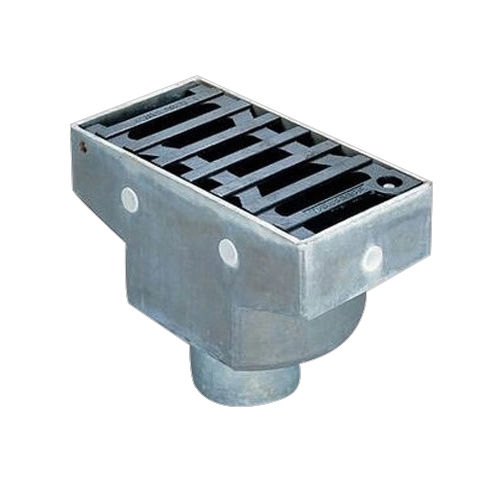
The drainage spout is typically a fabricated or cast outlet unit made from mild steel, galvanized steel, stainless steel, or cast iron, depending on the projects environmental conditions and design requirements. It is positioned at designated deck drain points or scupper locations and conveys collected water through the deck slab to a discharge point below the bridge deck.
The design of the drainage spout ensures watertight performance, corrosion resistance, and long term durability under varying weather and loading conditions. It also allows easy access for maintenance to prevent clogging and ensure the proper functioning of the drainage system throughout the service life of the structure.
Main Features
-
Efficient removal of surface runoff from the bridge deck.
-
Prevents water stagnation and associated damage to deck surfacing and structure.
-
Protects girders, bearings, and substructure from water infiltration and corrosion.
-
Fabricated for durability, watertightness, and ease of maintenance.
-
Corrosion resistant through galvanizing or epoxy coating.
-
Can be adapted for different deck types and slopes.
Typical Components
-
Spout Body / Pipe:
A circular or rectangular pipe that carries the water from the deck surface to the underside of the bridge.
-
Flange or Collar:
A flat steel plate or cast ring welded around the spout to ensure a watertight joint with the deck concrete.
-
Grating / Inlet Cover:
A cast iron or steel grating provided at the inlet to prevent entry of debris while allowing free flow of water.
-
Downpipe / Chute Connection:
Attached below the spout to safely discharge water away from structural elements.
Engineered for DurabilityOur drainage spouts are produced using mild steel, which delivers exceptional strength and resilience. The galvanized coating provides an extra layer of protection against rust and wear, significantly extending the lifespan of each spout, even in challenging environmental conditions often experienced in bridge construction.
Precision Manufacturing in IndiaManufactured in India, we adhere to rigorous industry standards to produce top-quality drainage solutions. Each spout is thoroughly inspected for consistency in size and surface treatment, ensuring hassle-free installation and long-term reliability across all construction projects.
FAQ's of Drainage Spout:
Q: How is the drainage spout installed in bridge construction projects?
A: The drainage spout is typically integrated during the early phases of bridge construction. It is positioned to collect and channel water away from the bridge deck, and securely fixed using appropriate fasteners to ensure stability and leak-proof performance.
Q: What are the benefits of choosing a mild steel drainage spout with a galvanized finish?
A: Mild steel offers excellent mechanical strength, while the galvanized surface treatment significantly boosts corrosion resistance. This combination ensures longevity, minimal maintenance, and reliable drainage performance in demanding environments.
Q: When should a galvanized mild steel drainage spout be selected for a project?
A: You should opt for a galvanized mild steel drainage spout in projects where high durability, corrosion resistance, and a longer service life are critical-particularly in bridges exposed to harsh weather conditions.
Q: Where can these drainage spouts be utilized besides bridges?
A: While specifically designed for bridge applications, these drainage spouts can also be used in other infrastructure projects such as highways, culverts, and large commercial construction where efficient drainage is necessary.
Q: What is the manufacturing process for these mild steel drainage spouts?
A: The process begins with selecting premium mild steel sheets, which are then cut and shaped to the required thickness (6-100 mm). Next, the components undergo a galvanization process to fortify them against corrosion before final assembly and quality inspection.
Q: How does the spout's thickness variety (6-100 mm) cater to different construction needs?
A: The broad thickness range allows engineers to select an optimal spout that matches the load-bearing requirements and drainage capacity needed for specific bridge designs or construction projects.
Q: What advantages do Indian manufacturers offer for drainage spouts?
A: Indian manufacturers combine advanced production techniques, strict quality control, and cost-effective sourcing to deliver high-quality, durable drainage spouts tailored to international construction standards.
 07971190780








 Send Inquiry

 Send Inquiry
 Send Inquiry
 Send SMS
 Call Me Free