About Prefabricated Steel Truss Bridge
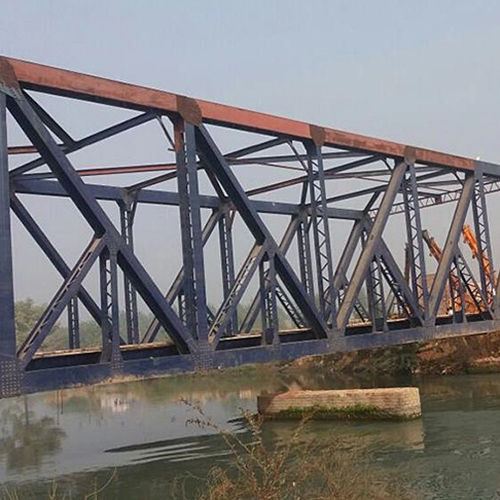
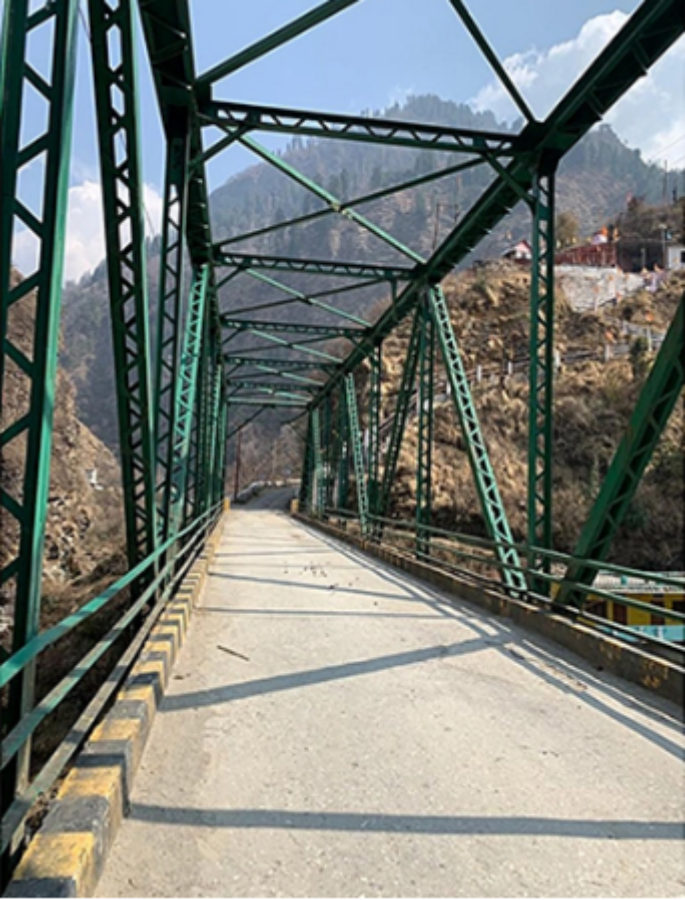
With the assistance of our hardworking team, we are involved in offering Prefabricated Steel Truss Bridge. This bridge is utilized in highway and railway construction, where they provide a strong and durable structure that can be constructed quickly and efficiently. Prefabricated Steel Truss Bridge is popular due to faster construction times, reduced on-site labor requirements, greater consistency and quality control. Moreover, this bridge has faster construction times, as the bridge components are pre-fabricated off-site. Apart from that, this bridge also reduces on-site labor requirements, as the pre-fabricated components are quickly assembled on-site.
Versatile Modular DesignOur steel truss bridges utilize a modular approach, allowing extensions beyond 60 meters for flexible project requirements. Each module is CNC-fabricated to precise specifications, ensuring consistent quality, efficient assembly, and adaptability for different site needs. This modularity enables both rapid installation and simplified transportation to remote or urban locations.
Durable Materials and FinishManufactured from industrial-grade Q345/Q235 steel, these bridges offer superior strength and load-bearing capacity, with hot dip galvanized or custom painted surfaces for enhanced corrosion protection. With thickness ranging from 6 to 30 mm, the truss members ensure longevity and resistance to environmental challenges, making them suitable for heavy-duty applications.
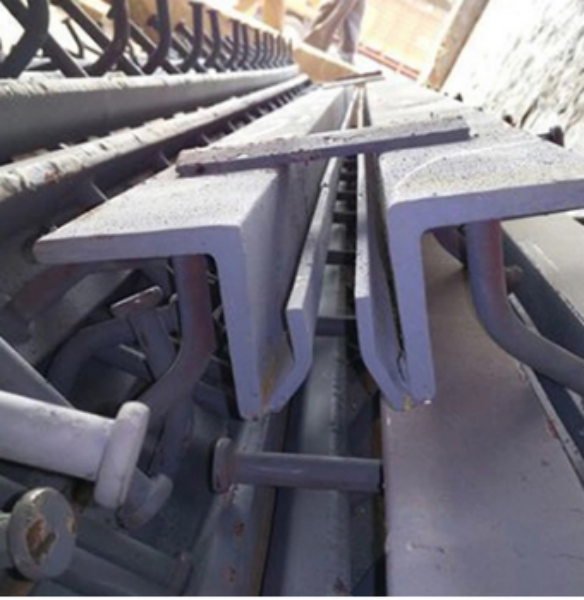
Optimized for Quick InstallationPrefabricated panels with bolted or riveted joints minimize on-site assembly time, enabling bridge construction within 1-2 weeks for standard spans. Periodic maintenance and inspection routines are recommended to maximize service life, while high-strength design ensures reliability under severe wind and optional seismic conditions.
FAQs of Prefabricated Steel Truss Bridge:
Q: How is the prefabricated steel truss bridge transported and assembled on site?
A: The bridge sections are delivered in modular prefabricated panels or sections, which are then assembled on site using high-strength bolted or riveted connections. This modular assembly process allows for rapid installation, typically completed within one to two weeks for standard span ranges.
Q: What deck options are available for the steel truss bridge?
A: You can choose between a steel deck or a composite steel-concrete deck, depending on your project requirements and load specifications. Both options are engineered for durability and structural performance, suitable for varying usage scenarios.
Q: When should periodic inspection and maintenance be performed?
A: Periodic inspection is recommended at regular intervals, typically annually or as advised by the manufacturer, to ensure longevity and optimal performance. Maintenance is minimal, primarily involving visual checks and tightening of connections as needed.
Q: Where can this modular steel truss bridge be used?
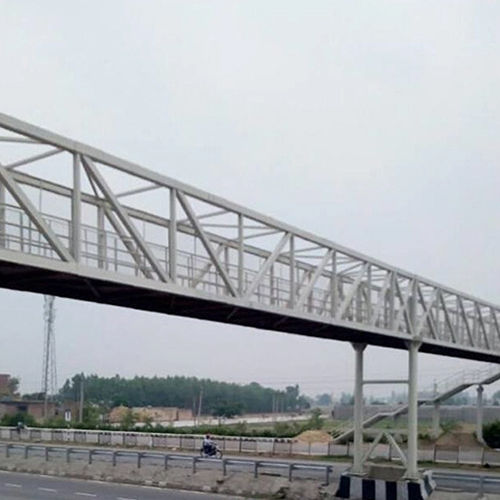
A: The bridge is suitable for a variety of construction applications, including road, railway, and pedestrian crossings in urban or remote locations. Its customizable size and modular design make it adaptable for diverse site conditions and project requirements.
Q: What is the maximum load capacity of the bridge, and how does it vary?
A: Load capacity ranges from 30 to 150 tons depending on the span, deck type, and configuration chosen. The structure is designed to handle heavy-duty loads reliably, ensuring safety for vehicles and pedestrians alike.
Q: How does the bridge resist harsh weather and seismic events?
A: The bridge is engineered to withstand severe wind loads and can be optionally designed with seismic resistance for earthquake-prone regions. Surface treatments such as hot dip galvanization or painting further enhance its corrosion resistance, suitable for challenging environmental conditions.
Q: What are the main benefits of choosing a prefabricated steel truss bridge?
A: Key advantages include rapid installation, high structural strength, customizable design, long service life, and minimal ongoing maintenance. The modular nature simplifies transport and assembly, reducing overall project timelines and costs.
 07971190780







 Send Inquiry

 Send Inquiry
 Send Inquiry
 Send SMS
 Call Me Free