About Steel Girder Bridge
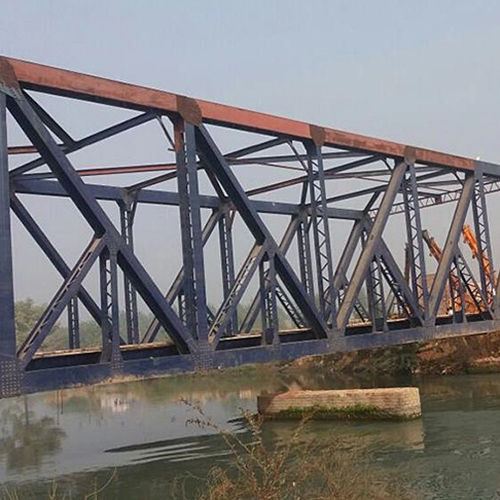
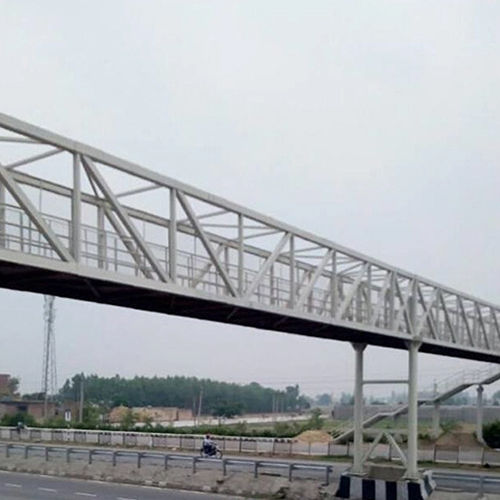
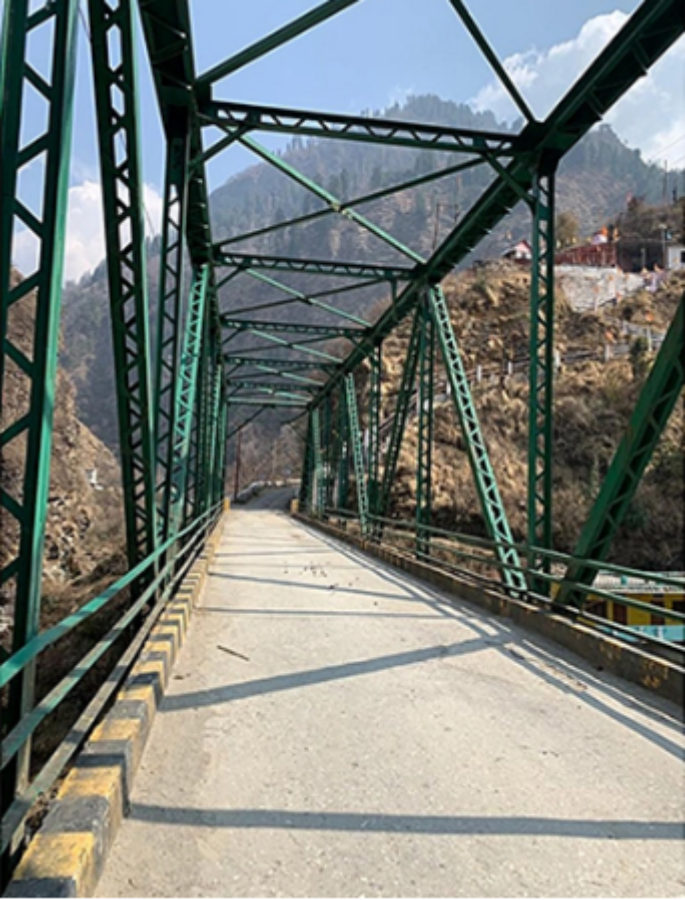
With the inclusion of advanced techniques, we are engaged in offering Steel Girder Bridge. This bridge uses steel girders to support the weight of the bridge deck and any load that it carries. Steel Girder Bridge finds usage in highway and railway construction due to their strength, durability, and relatively low cost compared to other types of bridge construction. This is I-shaped and is fabricated from steel plates or beams. They are usually placed parallel to each other and spaced apart to form the bridge span. The bridge deck is then placed on top of the girders and secured in place.
Advanced Engineering for ReliabilitySteel girder bridges are designed for optimal performance in challenging environments. Engineered to comply with leading international standards such as IRC, AASHTO, and Eurocode, each bridge offers superior strength, seismic resistance, and durability. Modular construction streamlines installation and enables customization to specific project requirements.
Superior Protection and LongevityWith robust corrosion protection methods like multi-coat paint systems and hot dip galvanizing, our bridges ensure a long service life even in harsh climates. These treatments, combined with high-quality structural steel grades, guarantee minimal maintenance and sustained load capacity of up to 1000 tons, making them a cost-effective infrastructure choice.
FAQ's of Steel Girder Bridge:
Q: How are steel girder bridges assembled on-site?
A: Steel girder bridges are delivered as prefabricated modular sections which are then assembled on-site using welded and bolted connections. This modular approach facilitates efficient installation while maintaining structural integrity and allowing for customized project configurations.
Q: What types of deck options are available for these bridges?
A: The bridges can be supplied with either a concrete slab deck or a steel deck, depending on the specific application and project requirements. Both deck types are engineered to integrate seamlessly with the main girder structure for enhanced durability and performance.
Q: When should corrosion protection methods like hot dip galvanizing be chosen?
A: Hot dip galvanizing is ideal for projects in environments with high humidity, chemical exposure, or where long-term durability is essential. This protection method ensures resistance against corrosion, thereby extending the bridge's lifespan and reducing the frequency of maintenance.
Q: Where are steel girder bridges most commonly used?
A: Steel girder bridges are widely implemented in road and rail traffic applications, and are particularly suitable for areas with high seismic risk, heavy load requirements, or demanding project timelines. Their modular design also makes them suitable for remote or challenging locations.
Q: What is the typical maintenance process for these bridges?
A: These bridges require periodic inspection to ensure their continued performance. Maintenance is generally low due to advanced corrosion protection, but routine inspections of connections, protective coatings, and bearings are recommended to maximize service life.
Q: How does the design comply with international standards?
A: Every bridge is engineered to meet or exceed the specifications of IRC, AASHTO, and Eurocode standards. This ensures that they are suitable for international projects, meet safety and loading requirements, and are prepared for seismic conditions.
Q: What are the benefits of using modular prefabricated sections?
A: Modular prefabrication simplifies logistics and accelerates construction timelines. Sections are custom-made to match project specifications, facilitate on-site assembly, and minimize disruption, all while maintaining high quality and consistent performance.
 07971190780








 Send Inquiry

 Send Inquiry
 Send Inquiry
 Send SMS